In a warehouse, even small inefficiencies can lead to lost time, picking errors, unnecessary movements, and difficulties in inventory control every day. Keeping spaces organized and processes clearly defined is therefore essential to increase productivity and ensure an efficient workflow.
To achieve this goal, many companies adopt the 5s method, a methodology designed to organize work environments rationally, eliminate waste, and create shared procedures that can be maintained over time.
In this guide, we will explain what the 5S method is, how to apply it effectively in a warehouse, and what benefits it can offer in terms of organization, efficiency, and logistics operations management.
What Is the 5S Method?
The 5s method is a workplace organization methodology developed within the Toyota Production System (TPS) and is now considered one of the pillars of Lean Manufacturing. Its goal is to create more organized, safer, and more efficient workplaces through a structured approach that eliminates waste and makes processes easier to manage and control.
The name “5S” comes from the initials of five Japanese words that identify the stages of the methodology:
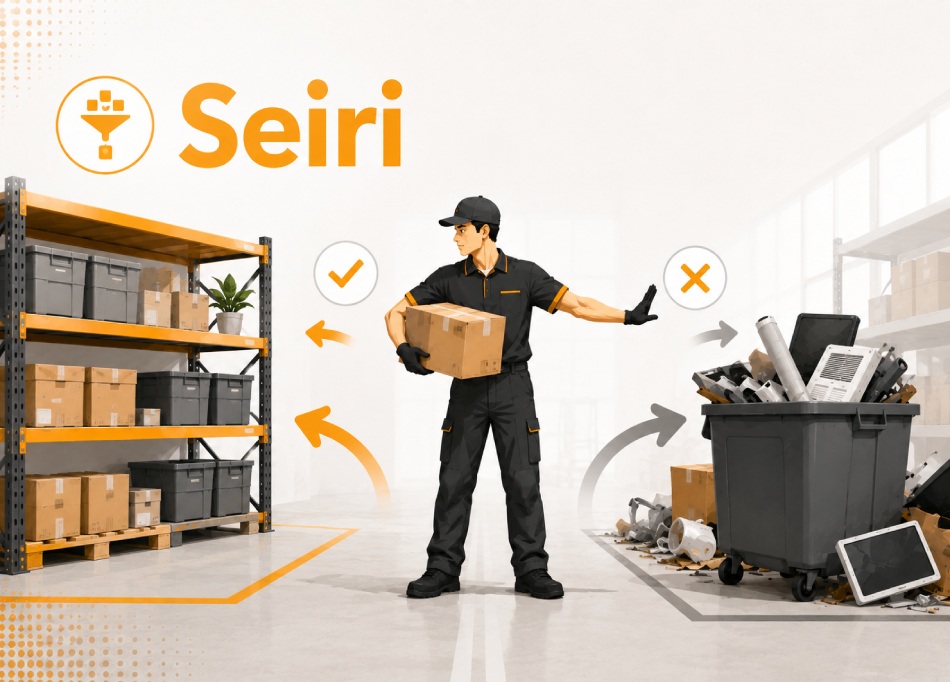
- Seiri (Sort): eliminate what is unnecessary and keep only what is truly needed.
- Seiton (Set in Order): organize materials and tools by assigning each one a clearly defined location.
- Seiso (Shine): keep work areas and equipment clean, using cleaning activities as an opportunity for inspection and control.
- Seiketsu (Standardize): define shared rules and procedures to maintain the standards achieved over time.
- Shitsuke (Sustain): reinforce good practices through discipline, training, and continuous improvement.
Although it originated in manufacturing, the 5S method is now successfully applied in logistics and warehouse management as well. In environments characterized by high levels of material handling, having orderly and easily repeatable processes helps reduce inefficiencies and makes operational activities more reliable.
The 5 Stages of the 5S Method Applied to the Warehouse
Applying the 5S method in a warehouse means improving the organization of spaces, materials, and procedures through a structured process. Each stage helps eliminate inefficiencies and waste, creating a more orderly, safer, and easier-to-manage working environment.
Let’s see how each of the five principles can be translated into practical activities.
Seiri — Sort
The first stage consists of identifying everything that is truly necessary for daily operations and removing anything that is unused or does not add value.
In a warehouse, this means removing obsolete materials, unused items, unnecessary packaging, or equipment that is no longer needed, freeing up space for operational activities.
For example, an up-to-date inventory makes it possible to quickly identify products that have remained unused for long periods, materials approaching their expiration date, or SKUs that are no longer used, supporting more informed inventory management decisions.
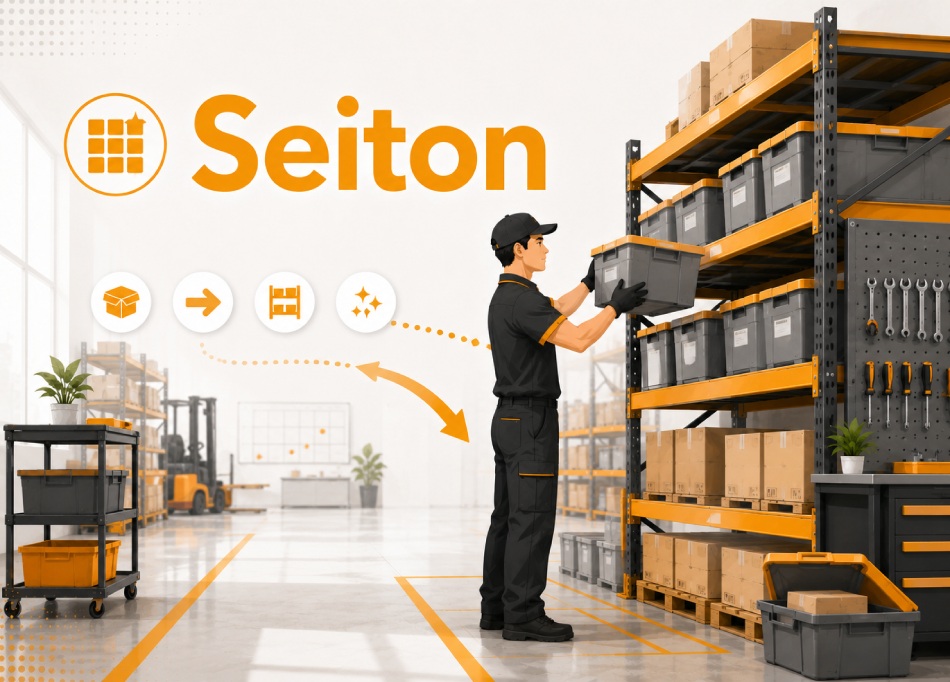
Seiton — Set in Order
Once unnecessary items have been removed, every item should be placed in a specific, clearly identifiable location.
The goal is to ensure that every operator always knows where to find a specific component and where to return it once the task has been completed.
Organizing storage locations according to frequency of use helps reduce search times, limit operator travel, and speed up picking and put-away operations.
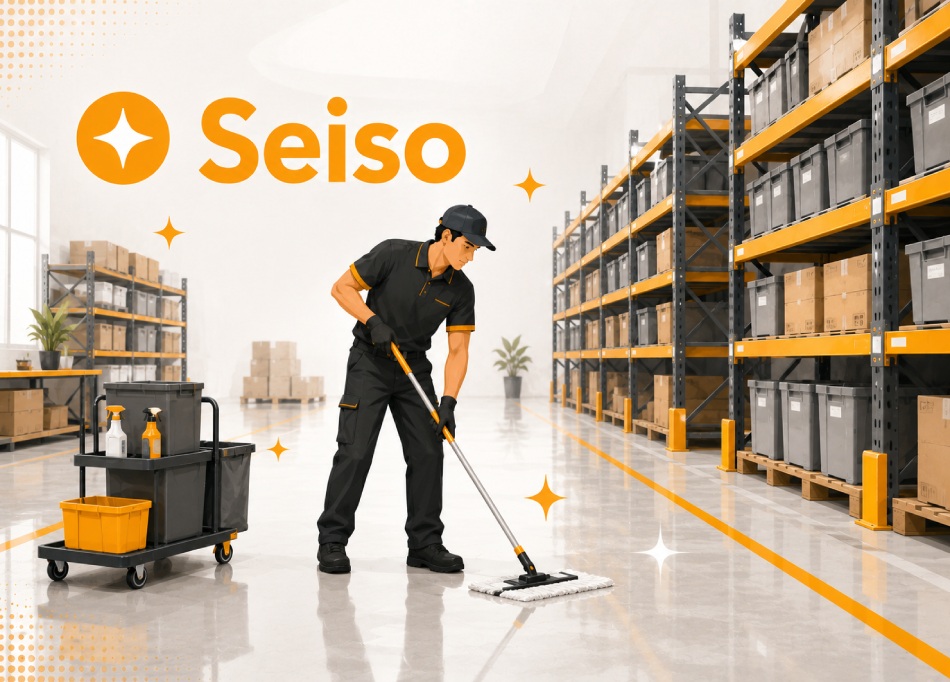
Seiso — Shine
Within the 5S method, cleaning is not simply a routine maintenance activity but also an opportunity to inspect and monitor the warehouse.
Keeping work areas clean and organized helps identify anomalies, equipment wear, or situations that could compromise safety and operational efficiency at an early stage.
A clean and orderly environment also makes it easier for operators to move around, improves material visibility, and helps maintain the organization achieved over time.
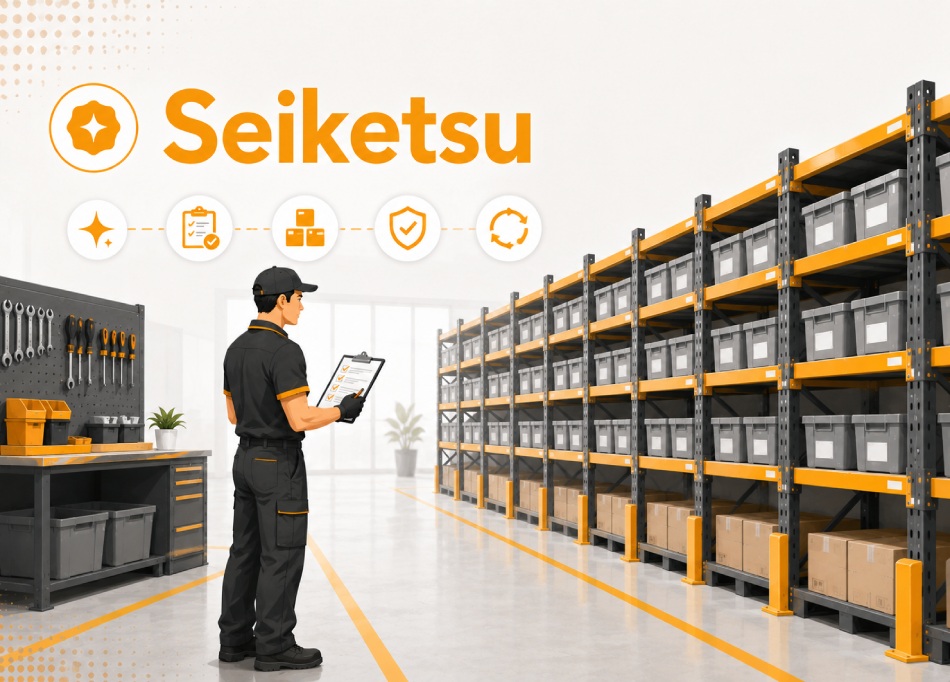
Seiketsu — Standardize
To prevent the results achieved from gradually disappearing, it is necessary to define clear operating procedures.
Standardization makes working methods consistent, ensuring that every task can be performed in the same way regardless of the operator carrying it out.
Signage, operating instructions, checklists, and picking procedures are some of the tools that help maintain warehouse operating standards.
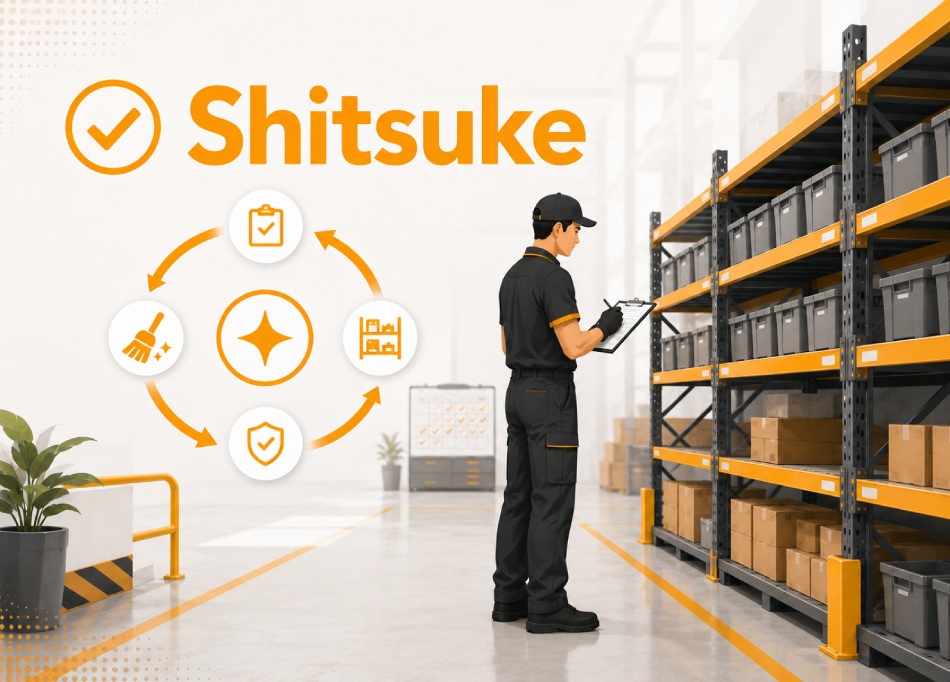
Shitsuke — Sustain
The final stage focuses on maintaining the 5S method over time.
The goal is to turn the procedures defined in the previous stages into everyday practice through training, monitoring, and continuous improvement.
For this reason, the 5S method should not be considered a one-time project, but rather a continuously evolving process.
Involving operators, updating procedures, and monitoring their application makes it possible to reinforce good practices and adapt warehouse organization to changing production and logistics requirements.
How to Implement the 5S Method in a Warehouse: A Practical Guide
Implementing the 5S method in a warehouse requires a structured approach involving spaces, processes, and people.
Before introducing new procedures, it is essential to understand how the warehouse is used on a daily basis, identifying the main inefficiencies and opportunities for improvement.
The first step is to analyze the existing organization, including:
- the layout of storage areas;
- material handling flows;
- picking methods;
- material picking frequency;
- inventory management.
This phase makes it possible to identify recurring issues such as goods distributed across multiple areas, inefficient routes, traditional shelving that requires ladders or lifting platforms, and difficulties with inventory control.
Only after this analysis is it possible to define a new organization for spaces and procedures.
This same principle is also the starting point for every Modula project.
Before identifying the most suitable automated warehouse solution, a technical site inspection is carried out to assess the available height, usable floor space, floor load capacity, type of environment, possible integration with other automation systems, and warehouse storage allocation strategy.
The goal is not merely to verify whether installation is feasible, but to design a configuration that is consistent with the company’s logistics flows and the way the warehouse is actually used.
Once warehouse organization has been defined, it is important to involve operators in establishing procedures and operational standards.
The 5S method delivers tangible results only when it is shared by the entire workforce and becomes an integral part of everyday operations.
To maintain its effectiveness over time, regular checks and continuous updates to procedures are necessary.
The most common mistake is to treat a 5s warehouse initiative as a simple one-time clean-up. Without shared standards, monitoring, and staff involvement, the warehouse will gradually tend to return to its previous condition.
The Main Benefits of the 5S Method in a Warehouse
When the 5S method is applied consistently, the benefits go far beyond keeping spaces tidy. They affect the entire organization of the warehouse.
More structured processes, shared procedures, and better material management translate into tangible, measurable results from both an operational and management perspective.
Higher Productivity in Daily Operations
One of the first effects of applying 5S is improved productivity.
Materials organized according to shared criteria and clearly identifiable locations allow operators to find what they need more quickly, reducing search times and unnecessary travel.
As a result, picking, put-away, and handling operations become faster and smoother, with a positive impact on overall warehouse efficiency.
Fewer Errors and Better Inventory Control
A warehouse organized according to the 5S method makes it easier to maintain control over inventory levels and material movements.
This reduces the risk of incorrect picks, confusion between similar SKUs, and inventory discrepancies.
More reliable information also makes it possible to plan logistics activities more effectively and make better-informed decisions about inventory management.
Better Space Utilization and Greater Safety
An orderly environment, free from unused materials and with clearly organized routes, reduces the risk of accidents and makes operators’ daily activities easier.
At the same time, eliminating unnecessary items and organizing storage rationally makes it possible to use warehouse space more effectively, increasing storage capacity without compromising access to materials.
5S Method and Lean Warehousing
The 5S method is one of the fundamental tools of Lean Warehousing, an approach that applies the principles of Lean Manufacturing to warehouse operations with the goal of eliminating waste, improving operational flows, and increasing the value of the activities performed.
The 5S principles provide the organizational foundation needed to build a lean warehouse.
An orderly environment, standardized procedures, and easily identifiable materials make it easier to optimize logistics flows and introduce additional continuous improvement tools.
When this approach is combined with automated storage systems, warehouse management software (WMS), and picking technologies, companies can achieve even more precise operational control, increase material traceability, and support decisions based on up-to-date data.
From this perspective, the 5S method is not the final goal, but rather the starting point for building a more efficient and organized warehouse that is ready to adapt to evolving production and logistics requirements.
How Modula Helps Apply and Maintain the 5S Method Over Time
Applying the 5S method means defining an effective warehouse organization. Maintaining it over time requires tools capable of supporting operators and ensuring that procedures are followed.
Modula Vertical Lift Modules contribute to this objective by turning the principles of 5S into everyday operational processes.
The Seiton principle, according to which every item should have a clearly defined location, can be naturally applied within an automated storage system.
Each SKU is assigned to a precise location and managed by the WMS, which constantly monitors its position, making picking operations easier and reducing the risk of errors.
Seiri is also supported by the availability of up-to-date, real-time data.
The software makes it possible to monitor inventory levels, identify slow-moving items or products approaching their expiration date, and make better-informed inventory management decisions, avoiding unnecessary stock accumulation and optimizing available space.
The principles of Seiso and Seiketsu, meanwhile, benefit from a cleaner, more organized working environment and standardized procedures.
Concentrating storage within a Vertical Lift Module reduces the footprint of traditional shelving, making cleaning and inspection of operational areas easier and faster.
A consistently clean environment does more than improve order: it also makes it easier to identify anomalies, wear, or potential issues before they develop into real problems.
Advanced picking solutions also support operators during retrieval activities, helping transform daily tasks into standardized, repeatable, and consistent processes.
Finally, the Shitsuke principle, which focuses on continuous improvement, can be supported by analyzing the data collected by the software.
Tools such as Modula AI Optimizer analyze item picking frequency and suggest tray allocation strategies to optimize how materials are arranged inside the trays, progressively improving warehouse efficiency.
In this way, the 5S method does not remain merely a set of best practices but becomes an integral part of daily warehouse management.
Automation helps maintain order, standardization, control over material movements, and traceability over time. Most importantly, it helps strengthen an organizational culture focused on continuous improvement.
Procedures therefore become an integral part of the way people work, supporting genuine change in warehouse organization.
FAQs about the 5S Method in the Warehouse
What Is the 5S Method and How Is It Applied in a Warehouse?
The 5S method is a workplace organization methodology developed within Lean Manufacturing that helps improve order, efficiency, and safety in operational environments.
In a warehouse, it is applied by removing unnecessary items, organizing materials according to logical criteria, keeping spaces clean, defining standardized procedures, and promoting continuous improvement.
The goal is to make storage and picking operations faster, more accurate, and easier to manage.
What Are the Practical Benefits of the 5S Method in a Warehouse?
Adopting the 5S method helps reduce the time spent searching for materials, speed up picking operations, decrease operational errors, and improve inventory control.
In addition, a warehouse organized according to 5S principles improves operator safety, optimizes the use of available space, and simplifies day-to-day management activities.
Is the 5S Method Suitable Only for Large Warehouses?
No. The 5S method can be applied in any warehouse, regardless of its size or industry.
Its principles help organize spaces, reduce waste, and standardize activities in both small operations and large logistics centers.
8 types of waste that Vertical Lift Modules can eliminate